Tier 1 · Hardpoints
Exact holes, bores and mounting faces as solids with named parameters. The part of the scan you actually design against.
- Bores, bolt holes, flat faces
- Named, editable parameters
- Works today on the demo part
Coming soon · Fusion add-in
Unfacet turns a scanned STL into clean, parametric Fusion geometry: exact holes, bores and mounting faces with named parameters you can change, and a machinable billet part with CAM toolpaths.
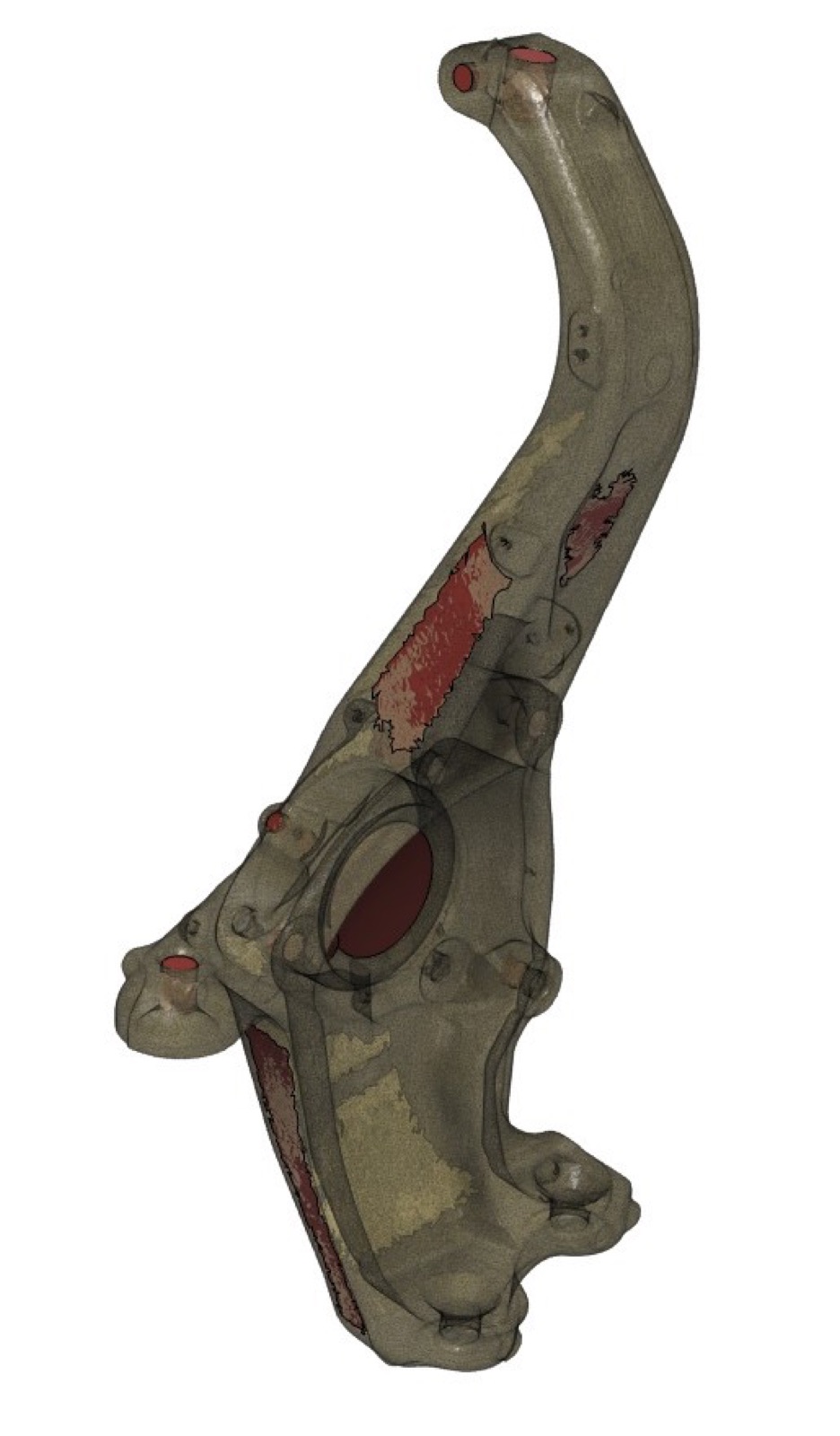 Scan in
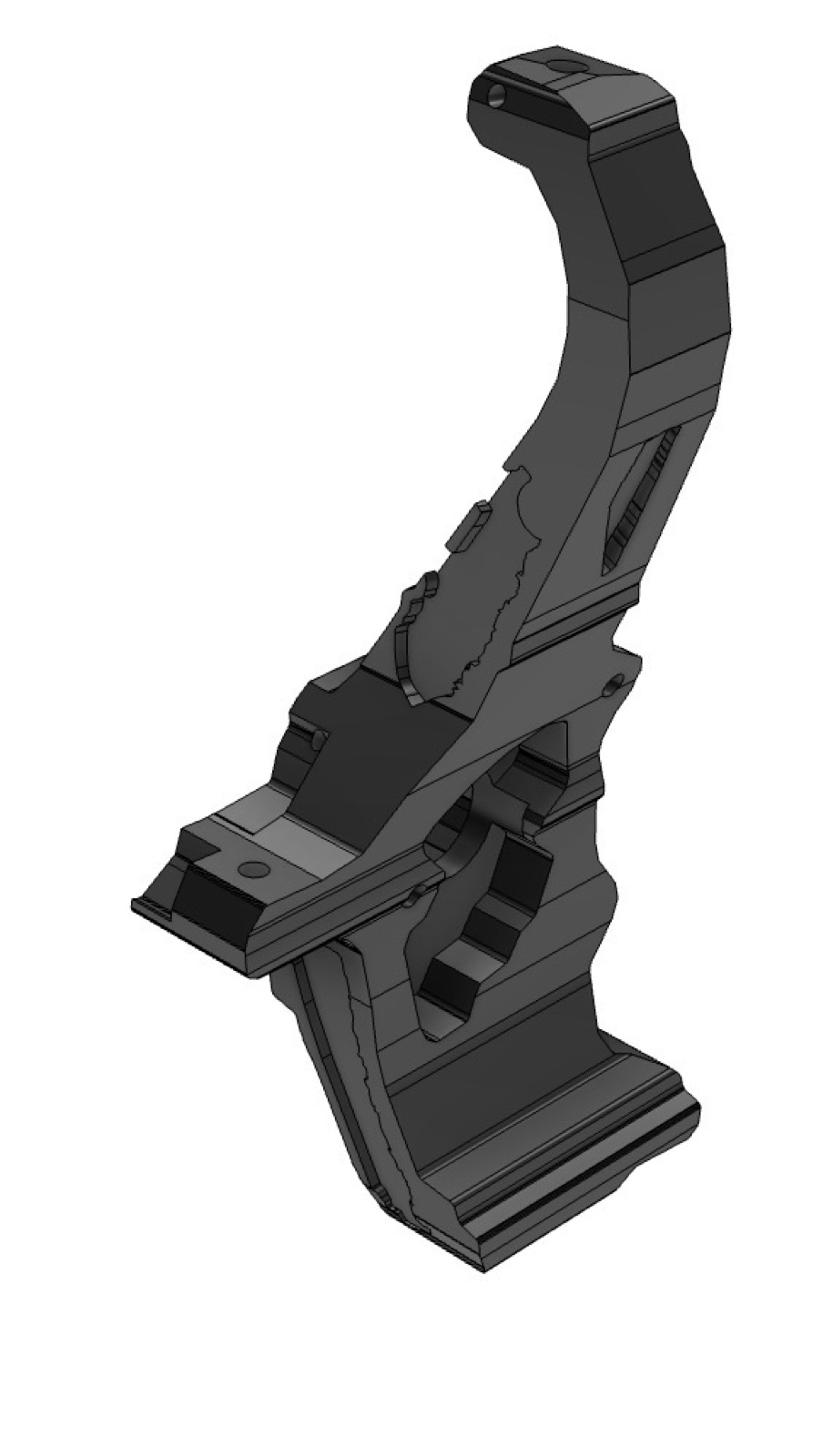 CAD out
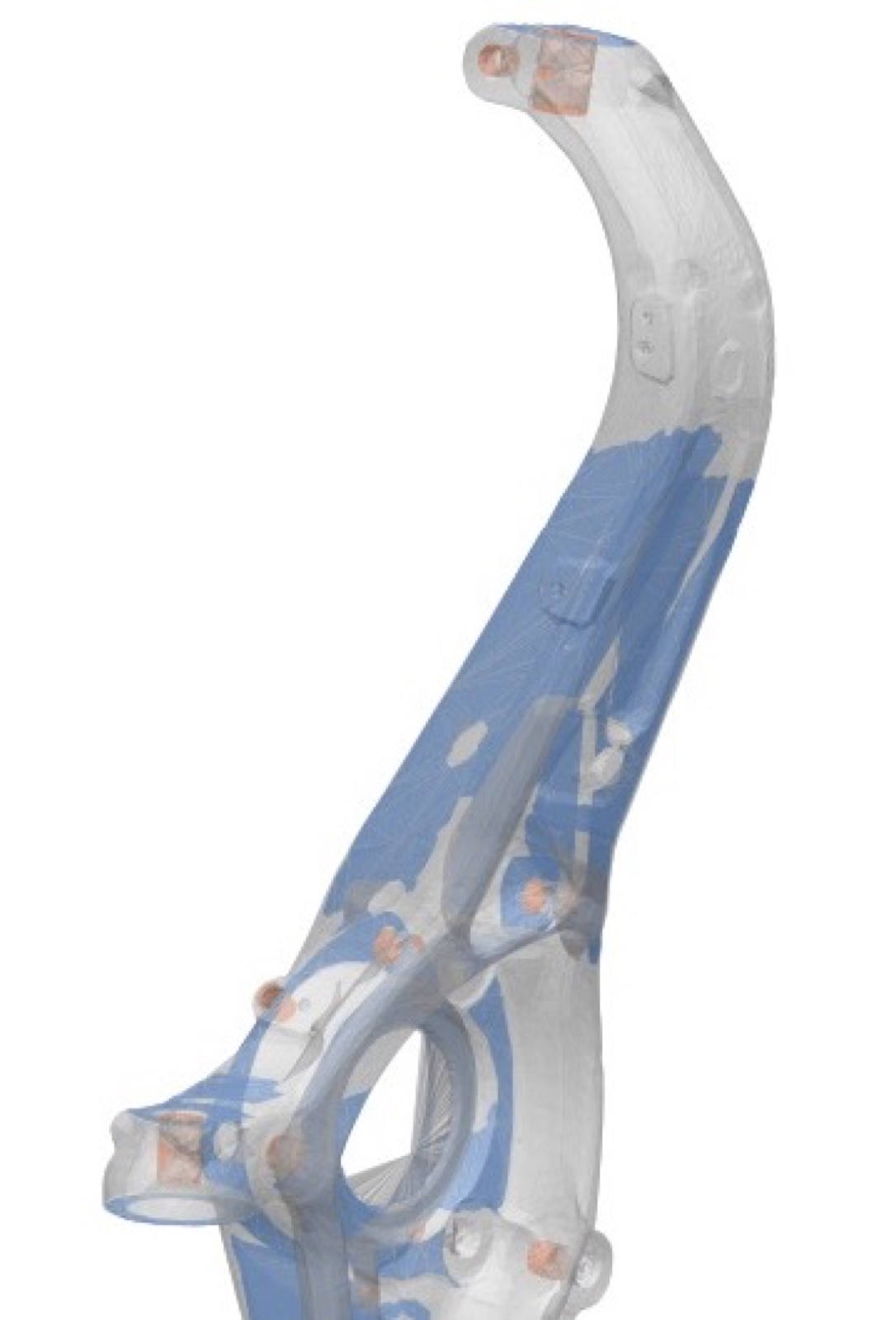 1
Bring in the STL from your scanner. Unfacet finds the flat faces, bores and holes hiding in the triangles.
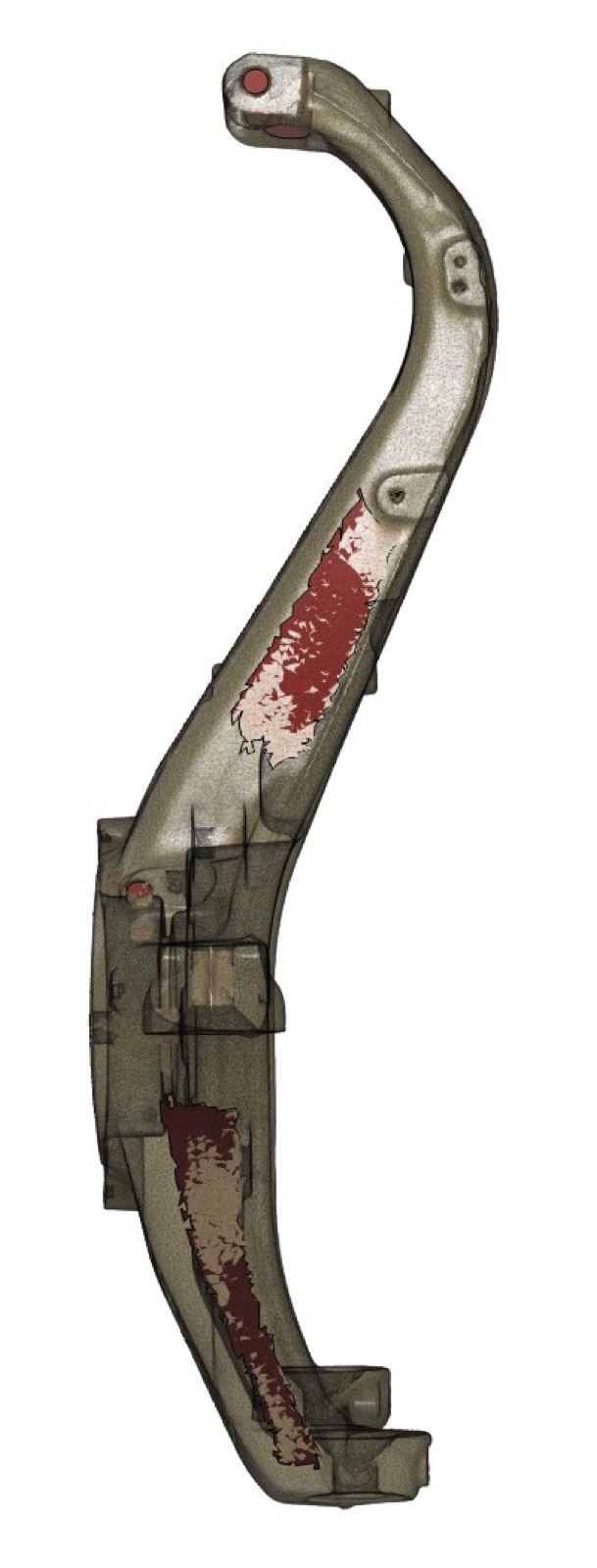 2
Exact holes, bores and mounting faces are built as real Fusion solids, each with a named parameter like bearing_bore.
3Get a machinable billet part around those hardpoints, with Fusion CAM toolpaths set up and ready to check.
Exact holes, bores and mounting faces as solids with named parameters. The part of the scan you actually design against.
A CNC-ready machinable part built around the hardpoints, with named parameters and Fusion CAM toolpaths.
A closed solid that follows the whole scan surface, with a low face count you can still work with.
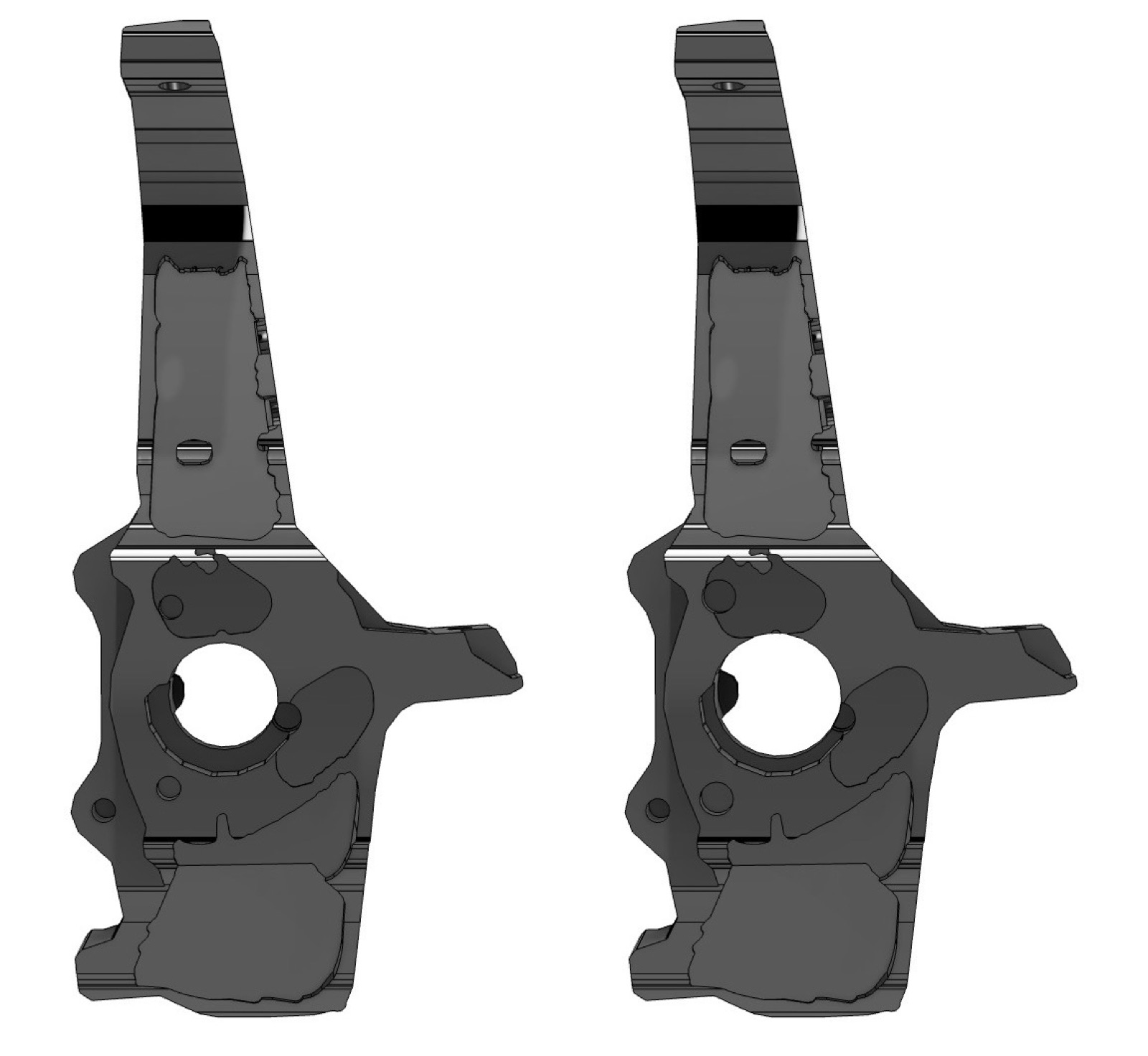 Demo video coming soon
Same billet part, two parameter sets: bearing bore 60 → 70 mm, hub bolt 13 → 18 mm, bolt circle 111.9 → 125 mm. Fusion rebuilds it from the named parameters.
Any scanner that exports a mesh. Unfacet reads STL today (OBJ and 3MF are planned). We test with scans like those from Revopoint, Creality and EinScan units; cleaner, denser scans give better fits.
A current Fusion install that can run add-ins. Tier 2 toolpaths use Fusion's Manufacture workspace, so the CAM features you can post depend on your own Fusion plan. We'll publish exact requirements before launch.
It's being built and tested on macOS. Windows support is planned for launch since Fusion runs the same add-in API on both; we'll confirm before shipping.
Pricing isn't final. People on the early-access list get a founder price that's lower than the launch price. No payment is taken by signing up.
It can't be more accurate than your scan. Holes and faces are fitted to many scan points, so they're usually cleaner than the raw mesh, and each fit is checked against the scan. Always measure critical dimensions on the real part.
No. The fitting is geometric math that runs locally on your machine through a Python engine. Your scans don't get uploaded anywhere.
Unfacet is aimed at engineered parts with holes, bores and flat faces. Freeform surfaces are what Tier 3 is working toward, but it isn't ready yet.
No date yet. Tier 1 is working on the demo part, Tier 2 is in final testing. The early-access list hears first.